

Most home projects don’t fail because of poor ideas.
They fall short because materials don’t quite suit the space they’re meant to serve.
Something is a few millimeters off. A fixing feels solid at first, but loosens over time. A shelf looks right, yet never quite sits level.
These issues are rarely dramatic, but they accumulate, and I’ve found they’re often the result of relying too heavily on ready-made components.
As homes evolve through extensions, refurbishments, and changes in how rooms are used, the demand for materials that respond to real conditions has quietly increased.
Homes Are Rarely as Straight as They Look
Even newly built homes contain small irregularities.
In older properties, those variations are more pronounced.
Ready-made materials are produced to standard dimensions, which assumes a level of uniformity most homes simply don’t have.
When standard parts are forced to fit, compromises follow.
Timber gets shaved down, brackets are adjusted on site, and fixings take on loads they were never designed for.
I’ve learned that custom materials, by contrast, begin with your space itself.
Measurements drive decisions, not the other way around.
That shift alone reduces installation issues and improves long-term stability in your home.
Structural Reliability Lives Beneath the Surface
Visual finishes tend to dominate planning discussions, yet the most important elements of your project are rarely visible once work is complete.
Supports, fixings, and internal frames determine how well your space performs over time.
Custom-cut metal components allow weight to be distributed properly without overcompensating.
I’ve found that shelving, stair rails, wall-mounted units, and utility frames all benefit from parts designed for their actual role in your home.
Waste Often Starts with Standard Sizes
One overlooked cost of ready-made materials is waste.
Excess lengths are trimmed away. Offcuts pile up. Packaging is discarded.
While each instance seems minor, I’ve seen the cumulative effect across a project become significant.
Custom materials reduce that pattern because components arrive closer to their final form, limiting unnecessary cutting and disposal.
This approach supports material efficiency without sacrificing the build quality your home deserves.
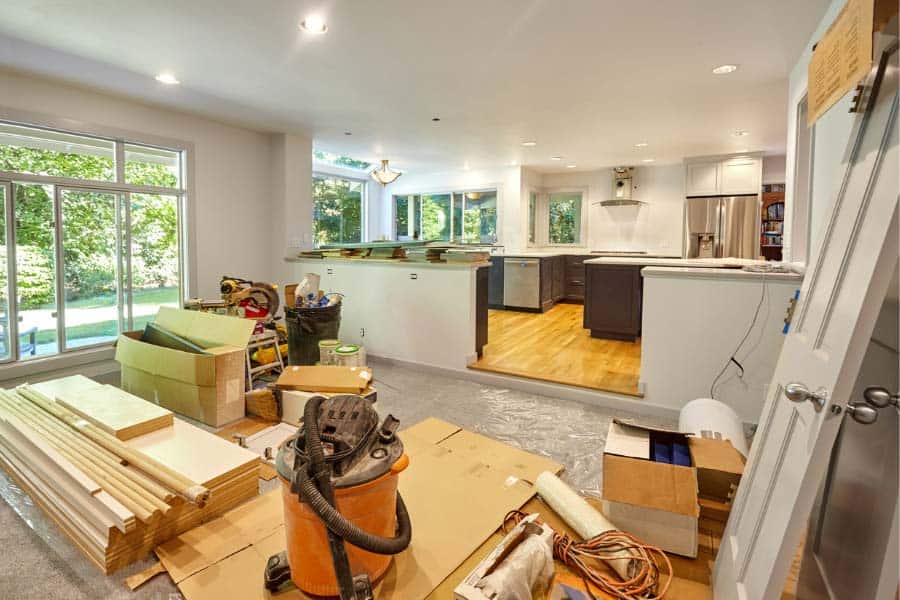
Modern Homes Demand Adaptable Solutions
The way we use our homes has shifted.
Garages now function as workshops or storage hubs. Utility rooms accommodate appliances, cabinetry, and workspace in tight footprints.
Kitchens carry heavier loads through integrated storage and concealed fittings.
These uses place greater stress on materials than traditional layouts once did.
Custom materials respond to this reality by being specified for real usage patterns in your home, not theoretical ones.
This reduces wear, improves safety, and extends service life, which matters when both material costs and skilled labor availability remain unpredictable.
Smarter Sourcing Without Added Complexity
Custom doesn’t automatically mean complicated.
Many home projects benefit from working with regional specialists who provide accurately cut materials with short lead times.
For applications requiring strength, consistency, and precise sizing, established metal suppliers Midlands are often used to ensure components meet both technical and regulatory requirements without unnecessary delays.
The advantage lies in intent: materials are chosen because they fit your project, not because they were the nearest available option.
Long-Term Value Tends to Favor Accuracy
Standard components can appear cost-effective at first glance, but I’ve learned the true cost often emerges later.
Adjustments during fitting, reduced lifespan, and maintenance issues quietly erode any initial savings.
Custom materials typically support cleaner installations and fewer corrective fixes in your home, which matters whether you’re DIYing or hiring professionals.
This doesn’t suggest every project requires bespoke fabrication from start to finish.
It highlights where precision genuinely matters and where investing in the right material early prevents compromise later.
Building with Awareness, Not Excess
Home improvement is gradually moving away from surface-level upgrades toward decisions grounded in performance and longevity.
Custom materials sit comfortably within that shift, offering a measured balance between efficiency, durability, and responsible use of resources.
When materials are selected with your space in mind, I’ve found that projects tend to age better.
Not louder. Not flashier. Just more reliably.