
Some projects begin with a minor adjustment, a small improvement that feels routine enough to schedule between more important work.
At the outset, there’s rarely any sense that these tasks will carry weight beyond their immediate purpose.
Yet I’ve found that modest beginnings often tell a different story once work gets underway.
Not because the task becomes dramatically larger, but because it starts exposing how many systems in your home quietly depend on one another.
What initially looks like a single change soon touches design decisions, safety considerations, and long-term maintenance realities.
In my experience, these home projects leave the strongest impression not through their scale, but through what they uncover about your space.
When a “Simple” Home Project Isn’t Actually Simple
Contained tasks rarely stay contained for long in home improvement.
Homes are layered environments where electrical systems intersect with design choices, small upgrades interact with older installations, and new plans sit alongside decisions made by previous owners.
A lighting update, for instance, can quickly reveal aging circuits, limited capacity, or layouts that no longer align with how you actually use the space.
None of this suggests your original plan was flawed.
It simply reflects the fact that many home systems evolve quietly until a renovation forces them into view.
I’ve learned that even minor works can trigger broader responsibilities when essential systems are affected.
These aren’t just bureaucratic hurdles; they exist because overlooked details are where long-term safety and functionality issues tend to hide.
When Professional Advice Reshapes Your Plan
Most home projects reach a stage where your initial assumptions need to be tested against real conditions.
This is often when I recommend consulting a specialist, not to redesign the entire project, but to confirm whether your plan holds up.
That input doesn’t always come through a formal review.
Sometimes a brief conversation with an electrician Surrey homeowners trust is enough to surface issues that don’t appear in your Pinterest inspiration boards or YouTube tutorials.
Your project’s goal usually stays the same, but attention shifts to decisions that affect safety, reliability, and future access to your systems.
Rather than adding complexity, this kind of professional advice often simplifies your work.
Risks are identified sooner, unnecessary steps are removed, and long-term implications for your home’s design and function become clearer.
This is where practical expertise matters most by improving your focus, not expanding your scope or budget.
The Hidden Cost of Skipping Early Checks
There’s a common temptation to move quickly when a home project seems small.
Early technical reviews can feel disproportionate for what looks like a straightforward update.
However, I’ve seen that deferring these checks often shifts the cost and disruption rather than reducing it.
Issues like electrical load distribution, access constraints behind walls, or future adaptability are rarely visible at the surface level.
They only appear once someone trained to look for them asks the right questions about your home’s infrastructure.
Addressing those questions early doesn’t slow your progress; it prevents your project from circling back on itself months later when you want to make your next design update.

Knowing When Not to Expand the Scope
Another lesson I’ve learned is restraint.
Not every discovery during a home project requires immediate action.
Some findings need documentation rather than implementation, while others belong on a longer timeline as part of your home’s ongoing improvement plan.
The challenge lies in judgment: understanding which issues demand attention now and which can be safely managed as future projects.
Over-engineering your home improvements can be just as problematic as neglect.
I’ve found it’s better to record what you’ve discovered, prioritize based on safety and functionality, and move forward without ignoring what’s been uncovered.
Why Documentation Matters More Than You’d Expect
One of the most underestimated outcomes of home projects is documentation.
Updated diagrams, photos of what’s behind your walls, and notes about what you’ve changed often seem secondary while work is underway.
Their importance usually becomes clear later when you’re planning your next design update or when you’re selling your home.
Well-kept records reduce uncertainty for everyone who works on your home next, whether that’s you tackling another DIY project, contractors you hire, or future owners.
They also prevent assumptions from hardening into future mistakes that could compromise both your home’s safety and its design potential.
I’ve learned this lesson after encountering the confusion left behind by previous homeowners who didn’t document their changes.
What These Projects Teach You About Your Home
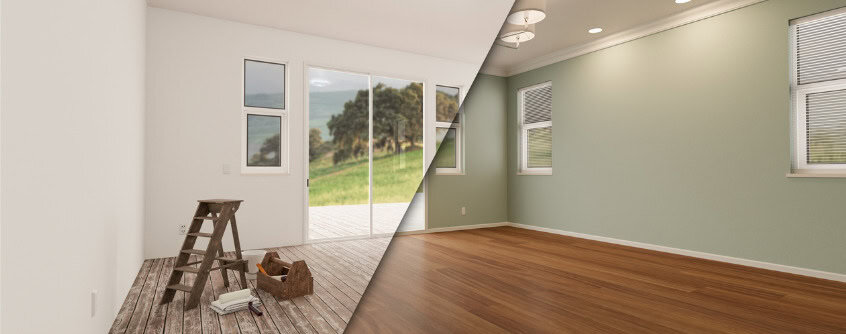
Small home projects rarely leave behind dramatic before-and-after transformations.
What they leave instead is understanding about how your home actually works.
They reveal how design decisions ripple through your space, how previous choices age, and why early professional input changes the trajectory of your home improvement journey.
Over time, I’ve found these experiences shape how you approach future projects with better planning, more informed decisions, and less reactive problem-solving.
That’s why projects that start quietly often teach the most about creating a home that’s both beautiful and functional.
Not because they grow large, but because they sharpen your judgment about what matters in home design and maintenance.
And that knowledge tends to last far longer than any single project.